
author Themis Sarantaenas, marketing consultant, www.marketingconsultant.gr
In 1999, American business consultants Joseph Pine II and James H. Gilmore wrote their most well known and remarkably prophetic book, The Experience Economy. According to the authors, after the agrarian economy, the industrial economy, and the service economy, the next stage would be the “Experience Economy.” In other words, the delivery of memorable experiences through the brand and beyond it.
In the pet shop market, this transition is not theory. It is everyday reality.
Two prophets, truly ahead of their time
Ιn 1999, there were no social media platforms, smartphones, influencers, mobile apps, personalization engines, or advanced analytics. And yet, Pine and Gilmore predicted that value would shift from the product to the experience. That the businesses that would stand out would not sell objects, but moments.
In the world of pet shops, this is reflected with strikingaccuracy.Today,thepetfoodmarket is hyper competitive. The same brands are everywhere: in e shops, marketplaces, veterinary clinics, supermarkets. Prices are compared in seconds. Products are replicated. Private label is growing.
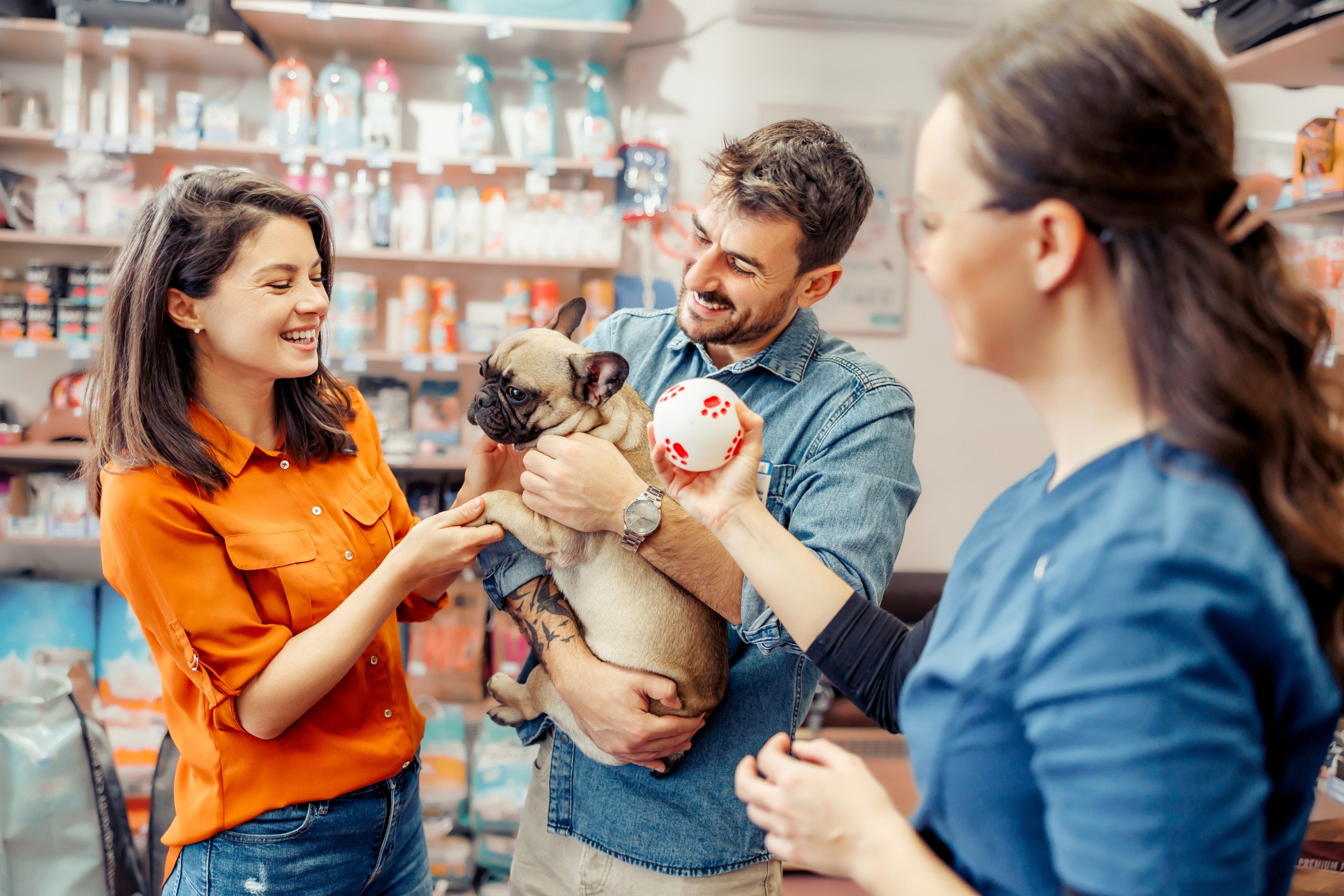
What cannot be easily replicated is the experience a pet parent lives inside a physical store. The advice they receive about their dog’s allergy. The genuine joy when the dog tries a new treat at the counter. The feeling that “they know me here.”
How did we reach the Experience Economy?
Technological progress accelerated everything. Mobile internet, social media, reviews, and e commerce gave consumers a voice. In the pet shop market, that voice is particularly strong. Pet parents post grooming stories, write food reviews, share before and after transformations, and ask for advice in online groups.
Buying a bag of food is not a simple transaction. It is an act of care. And care is public. Experience becomes content. Content becomes influence. Influence becomes value.
A pet shop does not compete only with the store next door. It competes with the e shop that offers free shipping. It competes with the marketplace that drops the price by three euros. In this environment, experience becomes a strategic tool for differentiation.
Experience as a competitive advantage
In the Experience Economy, good service is expected. It is not enough to know the products. You must know the customer and their pet. Remember the dog’s name. Ask how the last treatment went. Propose a solution before a problem arises.
In the pet shop market, the edge is not the lowest price. It is the feeling of trust. It is the certainty that “if something goes wrong, they will help me.” It is the sense of community. Stores that create experiences do not sell only food, accessories, or grooming services. They create small rituals: a puppy’s first collar, a welcome kit for a new cat at home, a birthday gift for a dog. These moments are not easily priced, but they translate into repeat visits and positive word of mouth.
How the Experience Economy connects to loyalty in pet shops
In the pet shop sector, loyalty is not built only through point cards or discounts. These are tools. They are not strategy.
Real loyalty is built when the customer feels that the store meaningfully participates in the care of their pet. When they feel that here they are not just a receipt, but a relationship. When they do not consider switching stores for a two euro difference because they fear losing the trust they have built.
In that case, lifetime value skyrockets. A dog lives on average 10 to 15 years. A cat often even longer. That means dozens of purchases per year, for many years. If the relationship is based only on price, it will be lost with the first promotion. If it is based on experience, it remains.
The new reality for the pet shop market
Today, the pet shops that stand out invest in experience design: in the space itself, in staff training, in consultative selling, in small events, in connecting online and offline presence.
Customers do not simply choose where to buy food. They choose where to trust their pet. They do not choose only price. They choose safety, care, and emotional reassurance.
In the pet shop market, the Experience Economy is not a theoretical concept. It is the difference between a store that survives and a store that builds community. Andt hat is precisely where the future of the sector will be decided.