
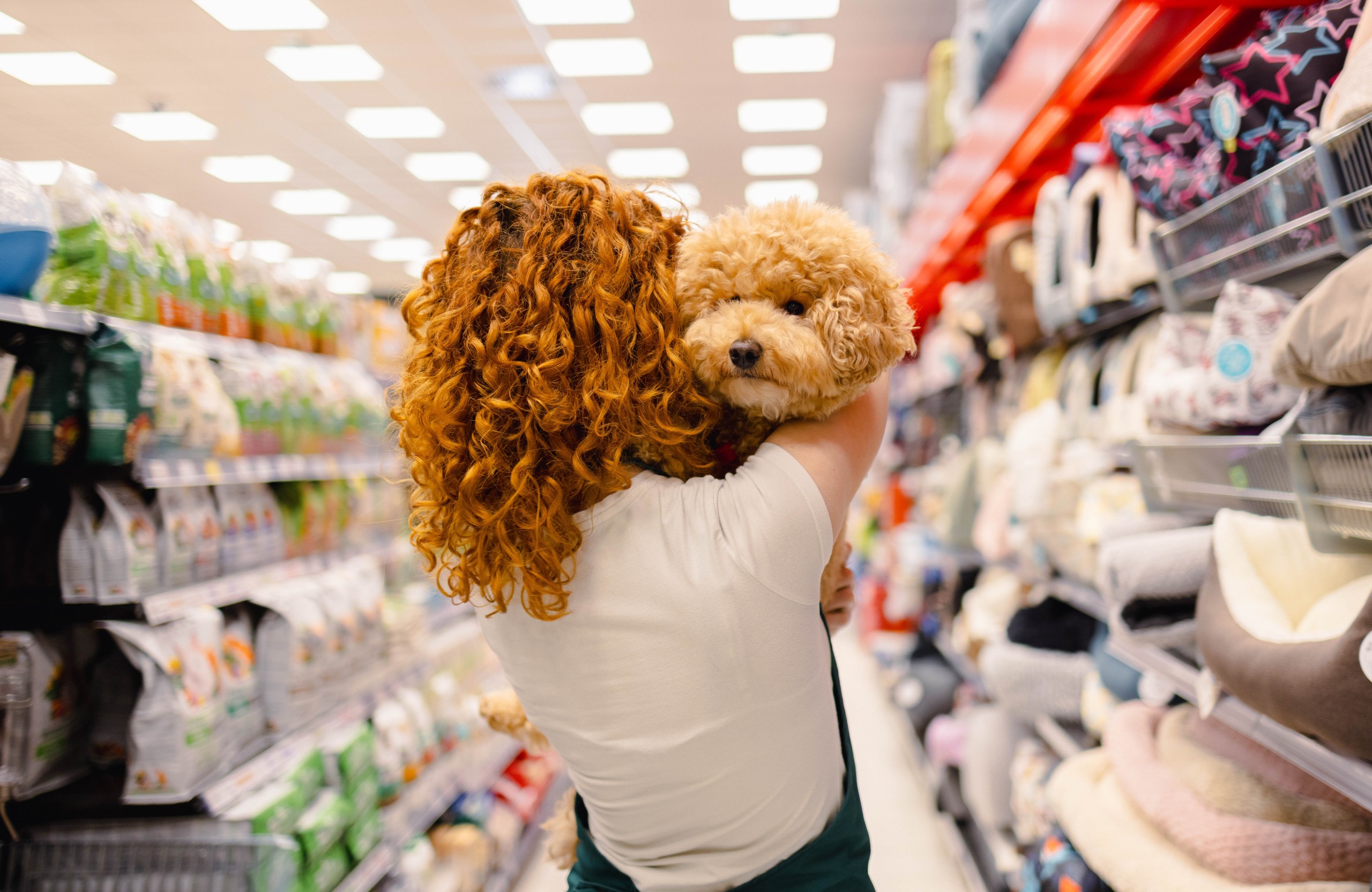
2026 is expected to be a year of significant change for the pet industry. Artificial Intelligence (AI) is moving from experimentation into everyday use, while personalization, convenience and flexible purchasing models are becoming increasingly important.
Consumers are looking for ways to save both time and money without compromising the quality of care they provide to their pets. At the same time, businesses are facing economic and geopolitical uncertainty, changes in supply chains, tariffs and new European regulatory requirements.
The report identifies seven key trends shaping the pet industry in 2026:
- AI integration
- Business models that fit every consumer
- Convenient and comfort-oriented retail
- Building customer loyalty
- Macroeconomic and geopolitical effects 6. Inflation, tariffs and supply chain impacts 7. Gut health and functional nutrition
1. AI Integration – AI enters everyday pet care
AI is emerging as one of the most important technologies shaping the pet industry in 2026. Beyond chatbots, companies are using AI for personalization, content creation, logistics, health monitoring and veterinary services. According to the report, 41% of retail executives and 57% of brand executives in the US and UK plan to introduce AI-based automation. Consumers are also turning to AI tools such as ChatGPT and Gemini for product recommendations and pet advice. Applications include personalized nutrition, predictive health monitoring, virtual veterinary consultations, smart feeding and training tools.
Key takeaway: AI is moving from future concept to practical technology, transforming marketing, retail, customer journeys and pet care.
2. Business models that fit every consumer
Consumers in 2026 are seeking flexibility, value for money and personalized solutions, driving growth in subscriptions, autoship and fast delivery. Chewy’s autoship sales increased by 13.6% year on year, accounting for 83.9% of total net sales. Personalization is also becoming essential, with companies using customer data to tailor products, subscriptions and pricing.Different generations, different needs: Gen X shows strong purchasing power and brand loyalty, Millennials are more open to alternative pet food, while Gen Z responds to experiences and brands aligned with its values. Key takeaway: Pet businesses must adapt products, services and communication to different lifestyles and consumer expectations.
3. Retail: Convenience, speed and comfort
Consumers increasingly want pet shopping to be fast, easy and effortless. Retailers are responding with one-click shopping, mobile apps, personalized recommendations, same-day delivery, subscriptions and omnichannel services. With 79% of shoppers planning pet purchases in advance, subscriptions, repeat orders and personalized offers present strong opportunities. Q-commerce is also gaining ground, particularly in accessories and non-food products. Meanwhile, smaller stores in dense urban areas are emerging as a new retail model, bringing pet products closer to consumers’ daily routines. Key takeaway: Pet retail is shifting from large, traditional stores toward convenient, fast and omnichannel shopping experiences.
4. Building loyalty – Loyalty is becoming harder to achieve
Consumers are becoming more price-conscious, making customer loyalty a key challenge for brands and retailers. Yet the pet category remains resilient: only 27% of consumers identified pet food and supplies as a non-essential category they would cut first after price increases. Loyalty, however, goes beyond discounts. Consumers increasingly value authenticity, community, sustainability and meaningful experiences. Brands must strengthen the emotional connection between pet owners and their pets, while investing in educational content, SEO and AI-friendly digital discovery.
Private labels, particularly in pet food, are also expected to grow.
Key takeaway: Trust, community, useful content and emotional connection are essential to building loyalty in 2026.
5. Macroeconomics and geopolitics
The pet market remains resilient despite economic and geopolitical uncertainty. While moderate global growth and easing inflation may offer some relief, the growing K-shaped economy is widening the gap between higher-income consumers, who continue to spend, and lower-income households facing financial pressure. In Europe, the EU Packaging and Packaging Waste Regulation (PPWR), expected to apply from mid-2026, will introduce stricter packaging, recyclability and reusability requirements. Changes to small-parcel import duties and handling fees are also under consideration.
Key takeaway: Pet businesses must remain flexible and prepared for changes affecting costs, packaging and international trade.
6. Inflation, tariffs and supply chain impacts
Inflation in pet food and supplies has started to stabilize in several markets, but veterinary care and services continue to become more expensive.
Over the past decade, pet product prices have increased substantially, while tariffs and geopolitical developments are adding further pressure.
In the US, the American Pet Products Association reports an approximately 29% increase in tariffs over one year and expects increases of 10–20% to potentially become the new normal.
This is forcing businesses to reorganize their supply chains. According to Prologis, 58% of global executives expect more regionalized supply chains by 2030, while 77% have already implemented regional self-sufficient networks.
AI and technology can support companies by improving demand forecasting, risk management, planning and supply-chain efficiency.
Key takeaway: Companies need greater flexibility in sourcing, suppliers, logistics and pricing in order to respond quickly to economic and geopolitical disruptions.
7. Gut health and functional nutrition
The growing focus on pet health, longevity and preventive care is reshaping the market. Pet owners are increasingly seeking supplements, digestive- health products, joint care and specialized diets to support their pets’ long-term wellbeing. In the US, the supplements category was projected to grow by 14% year on year in 2025, outpacing the overall pet industry.
Key areas include gut health, probiotics, prebiotics, functional treats and joint care. Notably, 60% of dry- food innovations across 91 countries focus on gut- health benefits.
Key takeaway: As pets are increasingly viewed as family members, prevention and wellness are becoming central to pet care.
Overall Conclusiοn
The main message of the report is that the pet industry in 2026 is becoming more technological, personalized, convenient and health-focused, while the relationship between brands and consumers is becoming increasingly important. AI is transforming both shopping and pet care. At the same time, consumers are demanding flexible subscriptions, fast delivery, personalized recommendations and seamless omnichannel experiences.
Loyalty will no longer be built through discounts alone. Brands that create community, authenticity, trust and emotional connection will be better positioned to retain customers.
The industry must also navigate a challenging environment shaped by inflation, tariffs, geopolitical uncertainty, supply-chain disruption, the EU PPWR and changes to European taxation. Finally, the pet wellness economy is becoming a major growth area. Gut health, supplements, functional nutrition, probiotics and preventive care are increasingly central to product innovation and consumer demand.
In one sentence:
The 2026 pet consumer wants better care for their pet, less effort, more personalization and better value for money — while successful businesses will be those that combine technology, convenience, health, trust and community.